How to Pay Your VAT Bill to HMRC

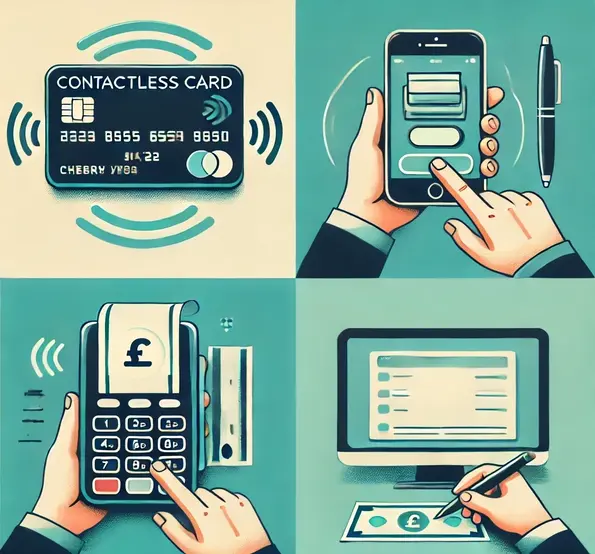
How to Pay Your VAT Bill to HMRC: Recommended Methods for UK Businesses
Managing VAT (Value Added Tax) payments is a crucial part of running a compliant and financially healthy business in the UK. Timely payment of your VAT bill helps you avoid penalties and interest charges from HMRC. In this guide, AGILE Accountants provides an overview of recommended payment methods, including direct debit, bank transfer, and online payment options, as well as key considerations to help you stay on top of your VAT obligations.
Recommended VAT Payment Methods
There are multiple ways to pay your VAT bill to HMRC. Each method has its own advantages and requirements, and choosing the right one can streamline your payment process.
- Direct Debit: A Convenient and Automated Option
Direct debit is one of the most straightforward ways to pay your VAT, as it automates the payment process, ensuring that payments are made on time.
Setting Up a Direct Debit
-
- Timing is Key: Make sure to set up the direct debit at least 3 working days before submitting your VAT return to guarantee that the payment is collected on time.
- Use Your VAT Registration Number: The 9-digit VAT registration number is required as the payment reference.
- Automated Collections: Once established, payments are automatically collected based on the return submitted.
- Payment Dates: HMRC will take the payment 3 working days after the due date specified in your VAT return.
Direct debit ensures timely processing without the need for manual tracking, making it a hassle-free option for many businesses.
- Bank Transfer: A Flexible Way to Pay
Bank transfer is another popular method, offering more control over payment timing while still requiring attention to deadlines.
Bank Transfer Payment Details
-
- Account Name: HMRC VAT
- Account Number: 11963155
- Sort Code: 08-32-00
- Reference: Use your 9-digit VAT registration number as the payment reference to ensure the payment is correctly allocated.
Important Considerations for Bank Transfers
-
- Reference Accuracy: Double-check the reference number to avoid any allocation errors.
- Cut-Off Times: Be aware of your bank’s cut-off times for same-day transfers. Payments made after the cut-off may not reach HMRC until the next working day.
While bank transfers allow for greater flexibility, it’s important to monitor deadlines to avoid late fees.
- Online Payment: Using a Debit or Credit Card
Paying your liability through the HMRC website is quick and convenient, especially for businesses that prefer digital payments.
Steps for Online Payment
-
- Log In to Your VAT Online Account: Use your Government Gateway account to access the payment portal.
- Payment Method Options: Choose to pay with a business debit or credit card.
- Include Your Reference: Always use your 9-digit VAT registration number to ensure proper allocation.
Things to Keep in Mind
-
- Fees for Corporate Cards: There are fees associated with using a corporate debit or credit card. Personal debit cards do not incur fees, but personal credit cards are not accepted.
- Immediate Payment Acceptance: Payments are recognized on the day they are made, including weekends and bank holidays.
Online payment is a flexible option that allows for fast and efficient settlement of liabilities. Use this link to pay online.
Understanding VAT Payment Deadlines to Avoid Penalties
Meeting payment deadlines is essential for maintaining compliance and avoiding financial penalties.
-
- Payment Deadline: Typically, the payment deadline is one calendar month and 7 days after the end of the VAT accounting period. For example, if your VAT period ends on March 31st, payment is due by May 7th.
- Direct Debit Payment Dates: HMRC collects payments via direct debit 3 working days after the deadline.
- Penalty Charges: Late payments can attract penalties, which increase with repeated delays.
Understanding these deadlines helps you manage cash flow effectively and ensures compliance with HMRC requirements.
Ensuring Your VAT Payment is Correctly Allocated
To avoid issues with payment allocation, always use the correct reference number for your payments. The 9-digit VAT registration number should be included as the payment reference for all payment methods. Misallocation can result in delays and additional administrative work to resolve.
Keeping Up with Changes to HMRC’s Payment Processes
HMRC occasionally updates its payment methods and requirements. To stay compliant, regularly review the latest guidance on the HMRC website and adjust your payment processes accordingly.
How AGILE Accountants Can Assist
Choosing the right method to pay your VAT bill is crucial for keeping your business compliant and avoiding unnecessary costs. Whether you opt for direct debit, bank transfer, or online payment, understanding the benefits and requirements of each method will help you meet your obligations efficiently.
Contact us for assistance with your VAT payments and other tax-related needs!